How can untreated water damage affect your home?
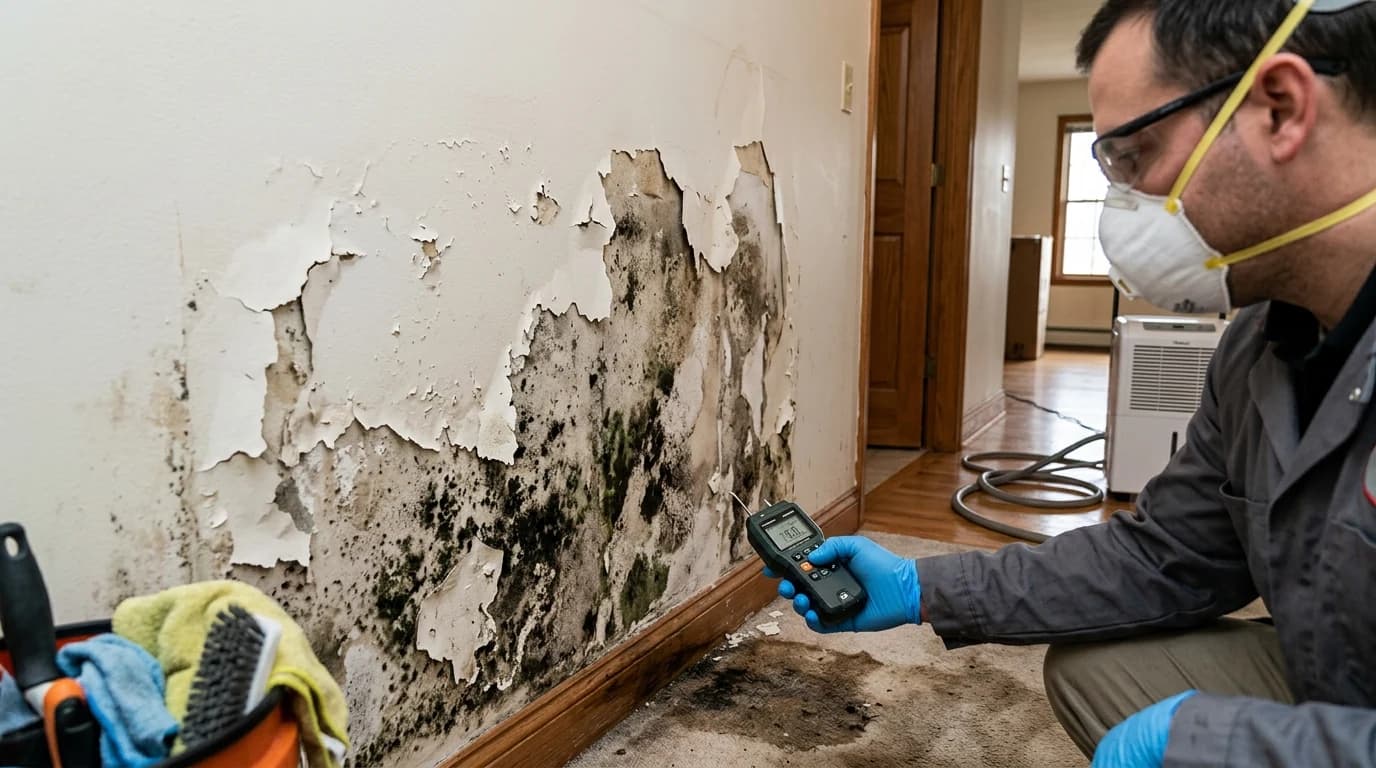
Leaving water damage untreated can severely impact your home's structure. Water can seep into the foundation, causing cracks and weakening the entire structure over time. This can lead to uneven floors, misaligned doors and windows, and in severe cases, the collapse of structural components. Additionally, wood is particularly susceptible to water damage. Prolonged exposure to moisture can cause wooden beams, floors, and walls to rot, compromising their load-bearing capacity. This not only poses safety hazards but also necessitates expensive repairs or replacements. Moreover, untreated water damage creates an ideal environment for mold growth. Mold can spread quickly, often within 24 to 48 hours, and once it takes hold, it can infiltrate walls, ceilings, and other materials, making it difficult and costly to eradicate. Mold not only affects the aesthetics of your home but also impacts air quality, leading to potential health issues. Furthermore, water-damaged homes may suffer from electrical hazards. Water and electricity are a dangerous combination, and if water infiltrates electrical outlets or wiring, it can lead to short circuits, power outages, or even fires. Regular inspections and prompt action are essential to prevent such hazards. Finally, if left unchecked, water damage can significantly decrease your home's value. Potential buyers are wary of purchasing properties with a history of water damage due to the potential for hidden issues and future complications. Therefore, addressing water damage promptly is crucial to maintaining your home's value and ensuring a safe, livable environment.
What are the health risks associated with water damage?
Untreated water damage can lead to serious health concerns, primarily due to mold and mildew growth. Mold spores are microscopic and can easily become airborne, infiltrating your home's ventilation system and spreading throughout the property. Once inhaled, these spores can cause a range of respiratory issues, including asthma attacks, bronchitis, and other allergic reactions. Symptoms may include coughing, sneezing, skin irritation, and eye irritation. The risks are particularly high for children, the elderly, and individuals with pre-existing respiratory conditions or weakened immune systems. Additionally, certain types of mold, such as black mold (Stachybotrys chartarum), produce mycotoxins that can lead to more severe health effects, including neurological symptoms and chronic fatigue. Besides mold, standing water and excessive moisture can also attract pests such as mosquitoes, cockroaches, and rodents, all of which can carry diseases and exacerbate health issues. Furthermore, damp environments can promote the proliferation of bacteria and fungi that contribute to poor indoor air quality. To mitigate these health risks, it's crucial to address water damage immediately. Professional restoration services can effectively remove water, dry affected areas, and treat mold to ensure a healthy living environment. Regular home maintenance, including checking for leaks and ensuring proper ventilation, can also help prevent water damage and its associated health risks.
Why is timely restoration important?
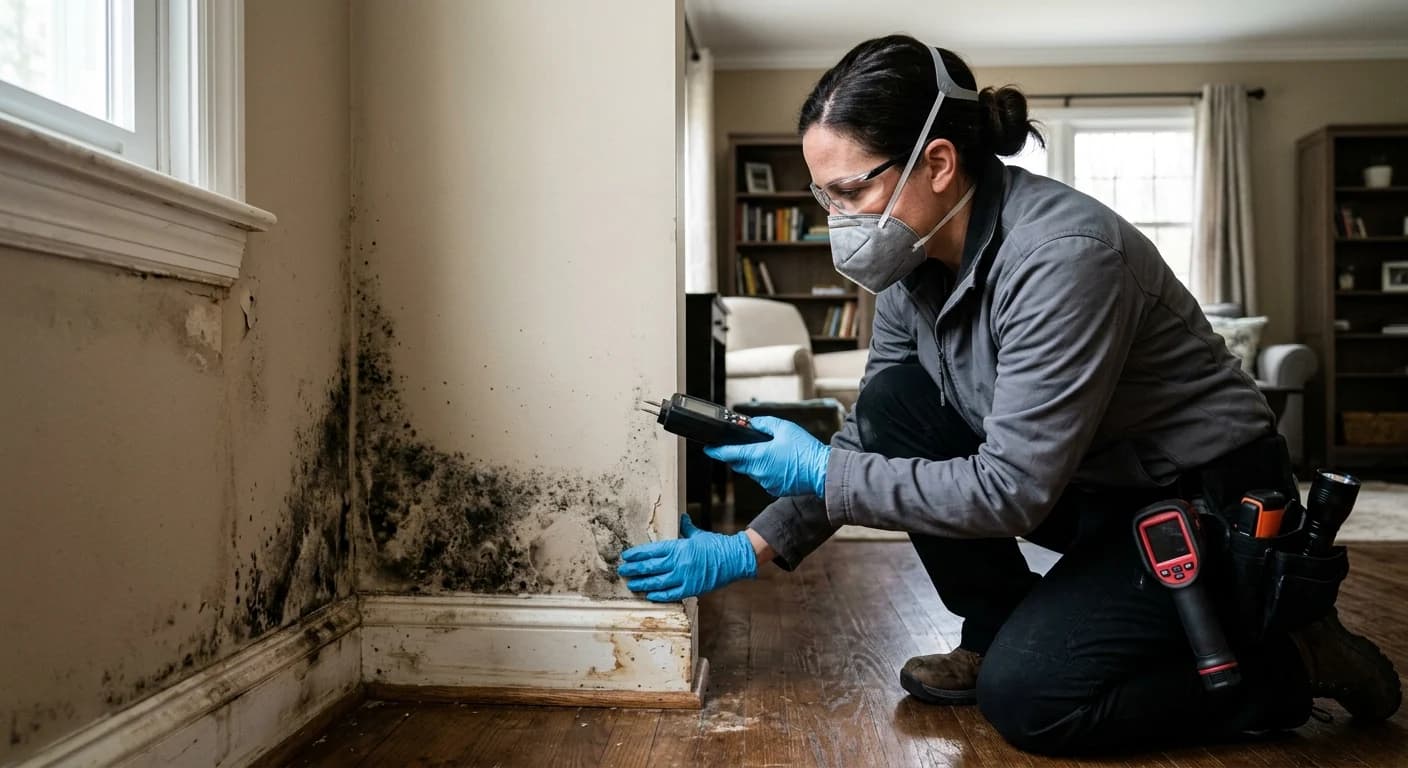
Timely restoration is crucial to prevent the extensive damage that untreated water issues can cause. Quick intervention can save both time and money by preventing the further spread of damage. For instance, addressing a minor leak promptly can prevent it from escalating into a major flood, which could result in extensive damage to flooring, walls, and personal belongings. In Upper Saddle River, NJ, where seasonal weather changes can exacerbate water issues, it is especially important to be proactive. Professional restoration services are equipped with specialized tools and expertise to efficiently extract water, dry affected areas, and repair damage. They can also assess the extent of the damage and identify any hidden moisture pockets that could lead to mold growth. Engaging professionals not only ensures effective restoration but also provides peace of mind knowing that your home is in capable hands. Furthermore, timely restoration can prevent secondary damage. For example, untreated water damage can lead to structural issues, electrical hazards, and mold growth, all of which require more extensive and costly repairs. By addressing water damage promptly, you can avoid these complications and protect your investment. Additionally, quick action can help preserve the aesthetic appeal of your home, preventing unsightly stains, peeling paint, and warped materials. Don't hesitate to contact us for expert help in managing water damage. Our team is ready to assist you, ensuring your home remains safe, healthy, and structurally sound.
How to Identify Signs of Water Damage Early
Early detection of water damage is key to minimizing its impact on your home. One of the first signs to look for is discoloration on walls or ceilings. Yellow, brown, or dark stains often indicate water leaks or trapped moisture. Similarly, peeling or bubbling paint and wallpaper can signal water intrusion. Be vigilant for musty odors, which are a strong indicator of mold growth due to hidden water damage. Pay attention to your floors as well; warped or buckling wood, damp carpet, or loose tiles can all be signs of underlying moisture issues. Additionally, check for increased humidity levels in certain areas of your home, as these can promote mold and mildew growth. Regularly inspect plumbing fixtures, including under sinks and around toilets, for leaks or water stains. Keep an eye on your water bill for unexpected increases, as they might indicate unseen leaks. It's also important to inspect your home's exterior, particularly the roof and foundation, for cracks or other vulnerabilities. Addressing these signs early can prevent more extensive and costly damage. If you notice any of these indicators, it's wise to consult with a water damage restoration professional who can assess the situation and recommend appropriate measures to mitigate damage.
Steps to Take Immediately After Detecting Water Damage
Upon discovering water damage, taking swift action is crucial to minimize further harm. First, identify the source of the water and stop it if possible. This might involve turning off the main water supply or fixing a leaky pipe. Next, remove any standing water using mops, towels, or a wet/dry vacuum. Be sure to wear protective gear, such as gloves and masks, to avoid exposure to contaminants. Once the area is clear of water, focus on drying out the affected spaces. Use fans, dehumidifiers, and open windows to promote air circulation and reduce moisture levels. Remove and dry any wet furniture, carpets, or other belongings to prevent mold growth. Document the damage with photos and notes for insurance purposes, as this will be important for filing a claim. Contact your insurance company promptly to report the incident and inquire about coverage options. It's advisable to enlist the help of a professional water damage restoration service to ensure thorough cleanup and avoid potential health hazards. These experts can provide specialized equipment and techniques to dry and restore your home effectively. By acting quickly and efficiently, you can protect your property and health from the adverse effects of water damage.
Preventative Measures to Avoid Water Damage
Preventing water damage is far more cost-effective than dealing with its aftermath. Begin by regularly inspecting your home's plumbing system for leaks or signs of wear. Pay special attention to areas under sinks, around toilets, and near appliances like dishwashers and washing machines. Installing water leak detection devices can provide an early warning system for potential issues, allowing you to address them before they escalate. Ensure that your home's gutters and downspouts are clear of debris to facilitate proper water drainage. This is crucial in preventing water from pooling around your foundation, which can lead to structural issues. Regularly inspect your roof for damaged or missing shingles, as these can allow water to seep into your attic and cause significant damage over time. Sealing any cracks in your foundation and basement walls can also help keep water out. Additionally, consider installing a sump pump in your basement to manage excess water during heavy rains. For residents in regions prone to flooding, such as certain areas in NJ, elevating appliances and electrical systems can mitigate flood damage. Lastly, maintaining proper ventilation in areas like bathrooms and kitchens can reduce moisture buildup, helping to prevent mold growth. Consistent maintenance and vigilance are key to safeguarding your home against water damage.
Understanding the Long-term Financial Implications of Water Damage
Leaving water damage untreated can have significant financial repercussions that extend beyond immediate repair costs. One of the most immediate impacts is the potential increase in insurance premiums. Insurance companies may view homes with a history of water damage as high risk, resulting in higher premiums or even denial of coverage if the damage is not addressed promptly. Additionally, untreated water damage can lead to more severe structural issues over time, such as foundation cracks or compromised load-bearing walls, which are costly to repair. Mold remediation is another financial burden, as mold can spread quickly and requires professional removal to ensure it is completely eradicated. This process can be expensive, especially if mold has infiltrated HVAC systems or hidden wall cavities. Furthermore, water damage can depreciate your property's value. Potential buyers are often wary of homes with water damage history due to the fear of hidden problems and future repair costs. This can make it challenging to sell your home at market value. In some cases, water damage may also lead to legal liabilities if it results in injuries or health issues for tenants or visitors. Understanding these financial implications underscores the importance of addressing water damage swiftly to protect both your home and your financial well-being.